
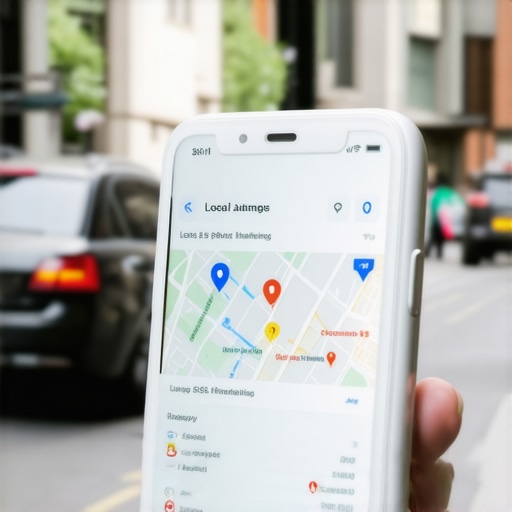
Ever had that sinking feeling when your business just doesn’t show up where it should in Google’s local results? I’ve been there. I remember spending hours tweaking listings, trying every trick I knew, only to see competitors leap ahead in the Google 3 Pack. It’s frustrating, right? But here’s the truth I’ve learned over the years: ranking in that coveted map pack isn’t about luck; it’s about strategy. And the good news is, with a few proven tactics, you can dominate those local searches in 2024.
Why Local SEO Matters More Than Ever
In today’s hyper-competitive local landscape, appearing in the Google 3 Pack is like having a neon sign pointing customers straight to your door. According to BrightLocal, 78% of local mobile searches result in an offline purchase, making your visibility in that pack a game changer. It’s not just about being found; it’s about being chosen. But many small business owners underestimate what it takes to rank higher and stay there.
Have You Faced This Problem?
Maybe you’ve optimized your Google My Business profile, but still sit on the sidelines of that prime real estate. Or perhaps your competitor keeps edging you out, despite your efforts. I’ve made this mistake early on—focusing only on basic profile info and ignoring the power of consistent updates and strategic local signals. Trust me, it’s a mistake you don’t want to repeat. Instead, let’s focus on what actually works to boost your local rankings.
Optimize Your Google My Business Profile
Start by claiming and verifying your Google My Business (GMB) listing if you haven’t already. This step is crucial because Google favors verified profiles. Fill out every detail—business name, address, phone number, website, hours, and categories—ensuring consistency across all online platforms. Use exact NAP (Name, Address, Phone) details to build trust and signal relevance to Google. Don’t forget to add high-quality photos that showcase your business, staff, or products. Regularly update your GMB with new posts, offers, and events to keep your profile active and engaging.
Leverage Local Keywords Effectively
Identify keywords your local customers are searching for. Use tools like Google Keyword Planner or Ahrefs to find relevant terms with local intent, such as “best pizza in Brooklyn” or “emergency plumber Chicago.” Incorporate these keywords naturally into your GMB description, website content, and service pages. Focus on long-tail keywords that reflect specific services and locations. This targeted approach helps Google understand your relevance and improves your chances of ranking higher.
Build and Manage Local Citations
Consistency is king. Ensure your business information is accurate and uniform across all local directories—Yelp, Bing Places, Facebook, and industry-specific sites. Use the same NAP details everywhere. Citations act as trust signals, reinforcing your local presence. Regularly audit your citations to eliminate duplicates or outdated info. To streamline this process, consider local SEO tools that automate citation management. This boosts your authority and enhances your chances of appearing in the coveted map pack.
Gather and Respond to Customer Reviews
Reviews influence local rankings and customer decisions. Actively solicit reviews from satisfied clients—send follow-up emails or include review links in your receipts. Respond promptly and professionally to all reviews, especially negative ones. Thank positive reviewers for their feedback and address any complaints constructively. Google interprets active review management as high engagement and relevance, helping you climb higher in the map pack.
Enhance On-Page and Local Content
Optimize your website pages for local SEO by including city and neighborhood names in titles, headers, and meta descriptions. Create location-specific landing pages if you serve multiple areas. Add local content—blog posts about community events, local news, or customer stories—that resonates with your audience. Rich, relevant content signals to Google that your business is deeply rooted in the community, improving your local rankings. Use schema markup to highlight your business info for better visibility in search results.
Monitor Performance and Adjust
Use tools like Google Search Console and Google Analytics to track your local search performance. Monitor rankings for targeted keywords, traffic from local searches, and conversion rates. Regularly review your GMB insights for engagement metrics. Based on data, tweak your keywords, update content, or adjust your review strategy. Staying proactive and adaptive is key to maintaining and improving your position in the Google 3 Pack over time.
Implementing these tactics requires consistency and attention to detail but will significantly increase your local visibility. For a comprehensive step-by-step process, check out this guide.
Many local businesses fall prey to misconceptions that can sabotage their efforts to rank well in the Google 3 Pack. One of the biggest myths is that simply having a Google My Business (GMB) profile is enough to secure a top spot. In reality, your profile is just the starting point. You must actively optimize and manage it, along with other local signals, to see real results. This includes consistent citation management, engaging reviews, and localized content strategies. For a comprehensive approach, check out this detailed guide.
Another widespread mistake is neglecting the power of local keywords. Many think that broad, national keywords will suffice, but in local SEO, specificity is key. Using long-tail keywords with geo-modifiers like “best dentist in Austin” or “emergency plumber near Downtown” helps Google understand your relevance in a specific area. This nuanced keyword targeting significantly improves your chances of ranking higher in local results.
It’s also a common belief that reviews are just about reputation management. While reviews do influence customer decisions, they are also critical ranking factors. Responding to reviews, especially negative ones, signals to Google that you are engaged and trustworthy. However, a trap many fall into is incentivizing reviews or soliciting only positive feedback, which can lead to penalties or diminished trust. Focus on authentic engagement instead.
How can advanced strategies improve your local rankings beyond basic optimization?
Advanced local SEO tactics involve leveraging schema markup, creating location-specific landing pages, and maintaining a strategic backlink profile from local sites. Schema markup, for example, enhances your visibility in local searches by providing Google with detailed info about your business, reviews, and services. According to industry experts, integrating these technical elements can give you a significant edge over competitors relying solely on surface-level tactics.
Remember, many get caught in the trap of over-optimizing or focusing on only one aspect, like reviews or citations. The reality is, a holistic, layered approach is what truly moves the needle. If you want to accelerate your progress, consider deepening your strategy with proven techniques discussed in this advanced resource.
Have you ever fallen into this trap? Let me know in the comments. Staying aware of these misconceptions helps you refine your approach and achieve better results in 2024 and beyond.
Maintaining your position in the Google 3 Pack requires more than just initial optimization; it’s an ongoing process that benefits from the right tools and consistent strategies. Over the years, I’ve refined my toolkit to ensure long-term success, and I want to share some of the most effective resources I rely on daily.
Invest in Local SEO Management Software
One tool I swear by is BrightLocal. It’s not just a citation tracker; it provides comprehensive local SEO audits, rank tracking, and review management. I personally use BrightLocal to monitor fluctuations in my rankings and identify potential issues early. The platform’s ability to automate citation audits saves me hours each month, ensuring my NAP consistency remains intact across hundreds of directories. This consistency is vital because, as you know, even minor discrepancies can hurt your rankings over time.
Leverage Advanced Review Platforms
Reviews are a cornerstone of local SEO, and managing them effectively is crucial. I recommend GatherUp, which I use to solicit and respond to customer reviews efficiently. The platform integrates with my CRM, making it easy to follow up with satisfied clients and address negative feedback promptly. Active review engagement not only boosts your reputation but also signals to Google that your business is trustworthy, helping you stay at the top of the map pack.
Utilize Schema Markup Tools
Technical SEO plays a huge role in maintaining rankings. I routinely use the Merkle Schema Markup Generator to implement structured data on my websites. Proper schema markup helps Google better understand my content, which can improve visibility and click-through rates. As search engines evolve, ensuring your site is technically optimized with the latest schema types remains essential for long-term dominance. For more insights, check out this guide.
Track Performance with Google Data Studio
Data-driven decisions are the backbone of sustained success. I connect my Google Search Console and Analytics data to Google Data Studio, creating custom dashboards that give me a real-time overview of local search performance. This setup allows me to spot trends early and adjust my tactics accordingly. Regular monitoring ensures I don’t lose ground and can quickly respond to algorithm shifts or competitors’ moves.
Future Outlook and Scaling
Looking ahead, I believe automation and AI-powered tools will become even more integral to local SEO. Tools that can analyze reviews, optimize content, and predict ranking fluctuations will save time and improve accuracy. As these technologies advance, scaling your efforts across multiple locations will become more manageable, ensuring your brand maintains a dominant presence in local packs.
How do I maintain my Google 3 Pack rankings over time?
Consistency is key. Regularly audit your citations, engage with reviews, update your website with fresh local content, and stay on top of technical SEO with schema markup. Using tools like BrightLocal and GatherUp streamlines these tasks, making it easier to keep your rankings stable and even improve them. Don’t forget to set up performance tracking dashboards to catch issues early and adapt your strategy swiftly. Implementing these tools and routines will help you sustain your local visibility in 2024 and beyond. Ready to take your local SEO to the next level? Start by integrating one of these tools into your workflow today and watch your rankings solidify.
The Hardest Lesson I Learned About Local SEO
One of my biggest realizations was that optimizing your Google My Business profile alone isn’t enough. It took me countless hours to understand that active management, consistent citations, and strategic content are what truly move the needle. The moment I started focusing on these layered tactics, my local rankings improved significantly, teaching me that persistence and depth trump shortcuts.
3 Myths About Google 3 Pack Rankings That Held Me Back
I used to believe that reviews were just for reputation. Turns out, they are a ranking factor that requires active engagement. Also, I thought a single citation update would boost my position—that was false. And I assumed that technical SEO was only for large websites. Dispelling these myths transformed my approach, helping me dominate local searches with a comprehensive strategy.
What Experts Won’t Tell You About Local Map Pack Success
Most professionals overlook the importance of schema markup and location-specific landing pages. These technical elements give Google clear signals about your relevance and boost your visibility. Incorporating these hidden gems into your SEO efforts can give you an edge over competitors relying solely on basic optimization.
My Essential Toolkit for Local SEO Mastery
Tools like BrightLocal are indispensable for automating citation audits and tracking rankings. GatherUp streamlines review management, helping me respond promptly and authentically. Additionally, schema markup generators like Merkle’s tool enable technical SEO enhancements. These resources are trusted because they save time and deliver measurable results, making them core to my ongoing local SEO success.
Where to Go from Here
Now, it’s your turn to take action. Embrace a holistic approach that combines profile optimization, citation consistency, review engagement, and technical enhancements. The future of local SEO is dynamic, but with the right tools and mindset, you can secure your spot in the Google 3 Pack and stay there. Ready to elevate your local rankings? Dive deeper into proven strategies at this comprehensive guide and start dominating today.
Your insights into local SEO are both thorough and practical. I particularly agree with the emphasis on active management of Google My Business profiles and the importance of consistent citations. In my experience running a boutique consulting agency, I’ve found that regularly updating GMB with fresh content like posts and offers significantly impacts visibility. It’s interesting how you mention schema markup—many small business owners overlook this technical layer that can really boost search appearance if done correctly.
I’ve often wondered how other local business owners balance creating local content versus managing technical SEO elements. Do you think focusing heavily on localized blog content has a long-term impact on rankings, or should it be part of a broader strategy? Personally, I’ve seen success combining both approaches, but I’d love to hear how others prioritize these tactics amidst their daily workload.