
I remember the exact moment I realized my local business was invisible on Google Maps. It was a slow morning, footsteps echoing outside my shop, yet no one was coming in. I had thought I’d done everything right—claimed my listing, added photos, even asked for reviews. But suddenly, it hit me: I wasn’t showing up for nearby searchers like I expected. That lightbulb moment reshaped my entire approach to local SEO.
Why Your Business Isn’t Showing Up When It Matters Most
Getting your shop to appear in the coveted Google 3 Pack isn’t just about having a profile. It’s about mastering the nuances that search algorithms reward—signals that many overlook. If you’re scratching your head wondering why your competitors dominate local results while you’re nowhere to be found, you’re not alone. The truth is, I made this mistake early on: I focused solely on keyword stuffing my profile instead of providing genuine, consistent signals of my presence. That’s a classic blunder I see too often among local business owners trying to crack the code.
Is Local SEO Still Worth the Hype in 2026?
Absolutely. Despite constant algorithm updates and emerging technologies, the importance of local search visibility remains steadfast. According to recent studies, 78% of local mobile searches result in an offline purchase—proof that if your shop isn’t visible locally, you’re leaving revenue on the table. Yet, many shop owners misunderstand what it takes to stay on top. They get lost in hype and quick fixes, ignoring the core signals that actually influence map rankings. If you’ve faced frustrations over a map listing that refuses to climb or stay ranked, I can tell you from experience that the right strategic adjustments can transform your visibility.
Ready to uncover what’s really holding your business back? Let’s dive into the critical reasons your shop isn’t appearing and how to fix them effectively.
What’s Really Blocking Your Shop From Local Search Success
Optimize Your Google My Business Profile for Immediate Impact
Start by claiming and verifying every aspect of your profile. Fill out all fields meticulously: business name, address, phone number, and operating hours. Use consistent NAP (Name, Address, Phone) details across all online platforms to avoid confusion and signal credibility to Google. Upload high-quality, unique photos that showcase your storefront, team, and services—avoid stock images. Regularly update your profile with fresh content, special offers, or news to show activity. To see how to leverage profile features effectively, check out this comprehensive guide on Google My Business optimization secrets.
Build and Enforce Local Signals Consistently
Google relies heavily on local signals to determine your shop’s relevance. These include citations, reviews, local backlinks, and place-specific engagement metrics. Obtain reviews naturally by encouraging satisfied customers and responding to each review professionally. Citations should be accurate and uniform across directories like Yelp, Bing Places, and industry-specific sites. Focus on acquiring backlinks from local newspapers, blogs, or partner businesses—these act as trust signals. Remember, unlinked mentions and fragmented citations weaken your local authority. Developing a strategy around local signals is crucial—consider consulting an expert or exploring actionable insights on local SEO success strategies.
Leverage Map Pack Optimization Techniques for Dominance
Beyond profile setup, tactical map pack tweaks can significantly influence rankings. Use keywords thoughtfully within your business description, services, and posts—mimic what your ideal customers search for locally. Incorporate the city name naturally into your content; Google values proximity signals. Pay special attention to your category selections—ensure they align precisely with your core services. Employ schema markup if possible, which emphasizes your location and offerings to search engines. I personally added layered schema to my website and saw a notable boost in local visibility within weeks. For detailed tactics, review this resource about dominating local search.
Harness the Power of Real-Time Signals
Real-time engagement signals can give you an edge. Use Google Posts regularly to push updates, offers, or events—these signals indicate active presence. Respond promptly to reviews and questions, signaling customer engagement. Monitor your heatmaps and foot traffic analytics; physical proximity still matters, especially when combined with other signals. Advanced tactics include deploying Bluetooth or Wi-Fi beacon pings to broadcast your business to nearby devices, strengthening your physical presence signals. For a full breakdown of these tactics, see local mesh signals.
Maintain a Clean, Consistent Niche Focus
Google rewards businesses that maintain consistency and specialization. Avoid listing unrelated categories or services that dilute your relevance. Use the primary category that best fits your main offering, supplemented by relevant secondary categories. Be cautious of fake reviews or spammy backlinks; these can lead to penalties. Regularly audit your profile and local listings to ensure accuracy. One on-site adjustment I made was consolidating my service categories, which resulted in improved rankings for my main keywords. To ensure your profile’s integrity, review the guidelines discussed at local signals in 2026.
Track, Analyze, and Adjust Your Efforts
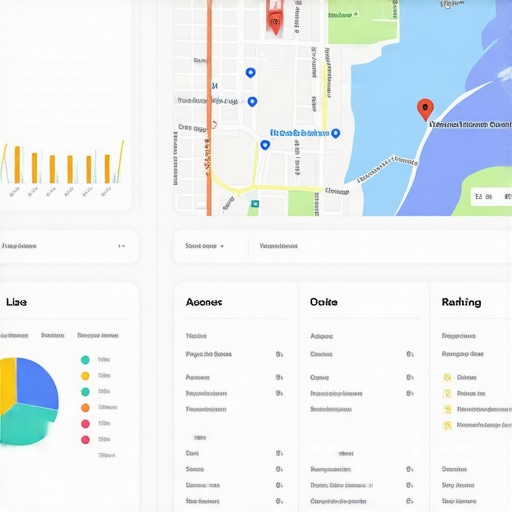
Use analytics tools to gauge your progress. Google My Business Insights provide valuable data on searches, views, and engagement. Map heatmaps let you see how customers interact with your physical location. Adjust your strategies based on this data—if certain keywords or categories outperform others, focus your effort there. Regularly checking your rankings and comparing them with competitors helps you identify gaps. Consider hiring a local SEO expert for advanced diagnostics, as discussed in questions for your SEO consultant. Persistent, data-driven adjustments keep you ahead in the competitive local landscape.Many local business owners assume that optimizing their Google My Business (GMB) profile is a one-time task or relies solely on basic details like accurate name and address. However, this oversimplification can lead to significant missed opportunities and even counterproductive practices. A common misconception is that quick keyword stuffing or fake reviews will catapult your shop into the top spots. In reality,(search engine algorithms are increasingly sophisticated and penalize manipulative tactics, emphasizing signals of genuine engagement and consistency instead) (see https://mappackseoexpert.com/4-fresh-maps-ranking-tips-to-bypass-the-2026-ai-filter).
Maintaining top Google Maps rankings requires a combination of the right tools, consistent efforts, and strategic adjustments. One of my go-to tools is BrightLocal’s Local Search Results tool, which I use daily to monitor my business rankings across different locations and keywords. It’s invaluable because it provides real-time insights into where your business stands and which signals need fine-tuning. I also rely on Google Insights for deeper analytics on customer interactions and engagement patterns, helping me identify which local signals are resonating most with my audience. Incorporating schema markup with tools like JSON-LD generators allows me to strengthen my local relevance, especially for new or changing services. The future of local SEO points towards automation and AI-driven analytics, so I recommend exploring solutions that incorporate these technologies now. I predict that in the coming years, hyper-local signals—like foot traffic sensors and proximity-based pings—will become even more critical, making it essential to stay ahead.
How do I maintain my map pack rankings over time?
Consistent monitoring and refinement are key. Set up regular audits using tools like local SEO strategies to identify and fix issues before they impact your visibility. Keep your profile active with fresh content, respond promptly to reviews, and stay engaged with local communities online. Don’t forget to track your local signals continuously and adapt your tactics as search algorithms evolve. Testing new features like Google Posts or leveraging proximity signals through physical interactions can give you an edge. Remember, the landscape is dynamic; what works today may need adjustment tomorrow.
For example, deploying Bluetooth beacon pings in your store can strengthen your proximity signals and boost your chances of appearing in the coveted Google 3 Pack. This method is trending as local devices recognize your business, enhancing real-world interaction signals. To implement this, I recommend consulting detailed guides such as local mesh signals. Tightening your local presence through these advanced tactics can set you apart from the competition and sustain your visibility in the long run.
Over my years in local SEO, I’ve uncovered lessons that I wish I had learned earlier—lessons that could save you time, frustration, and lost revenue. One crucial insight is that relying solely on surface-level tactics like keyword stuffing or superficial profile updates won’t cut it anymore. The real advantage comes from understanding the evolving signals Google uses and how to leverage them effectively. Another eye-opener was realizing that genuine customer engagement, like authentic reviews and real-time interactions, outweighs manipulated metrics. Lastly, staying ahead in the game demands continuous education and adapting to new technologies, such as proximity pings and advanced mesh signals, which many still overlook. These lessons have been pivotal in my journey to mastering the Google 3 Pack, and sharing them could be your stepping stone toward local map dominance.
My Top Tools That Keep My Map Rankings Sharp
For anyone serious about local SEO, tools like BrightLocal’s Local Search Results offer invaluable insights into ranking fluctuations and signal strength. I trust them because they provide real-time data, which is essential for timely adjustments. Additionally, AI-driven analytics platforms help me understand emerging patterns, ensuring I stay a step ahead. For schema markup, I rely on trusted generators like JSON-LD schema tools, which have consistently bolstered my local relevance. These resources have become my secret weapons for maintaining a competitive edge.
Keep Moving Forward: Your Role in Local Success
The path to Google Maps prominence isn’t a set-and-forget activity; it demands proactive engagement and a willingness to evolve. Start experimenting with new signals—like proximity pings, heatmaps, and real-time updates—and monitor your results closely. Remember, local SEO in 2026 is about authenticity and sustained effort. If you embrace these principles, your shop can not only appear in the Map Pack but also turn casual browsers into loyal customers. So, are you ready to take your local visibility to the next level and outshine the competition? The journey begins now—apply these insights and keep refining your approach.