
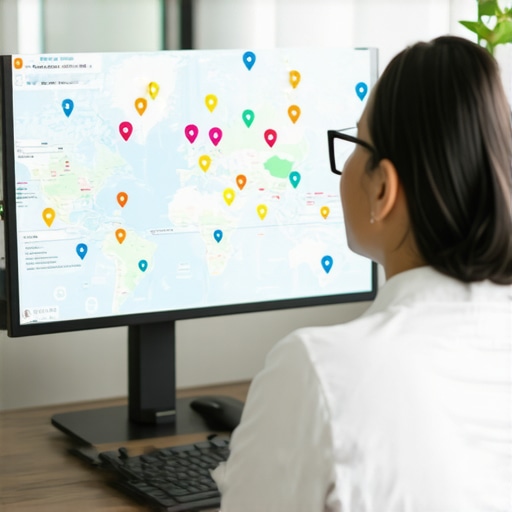
It hit me like a punch to the gut last year. I was sitting in my office, staring at my client’s Google Map Pack rankings plummeting without explanation. No updates, no algorithm changes announced—just a slow death of visibility. That’s when I realized: Voice Search is changing the game, and our traditional local SEO tactics are no longer enough. If you’re frustrated because your Google My Business profile isn’t pulling in the traffic it used to, you’re not alone. The landscape is shifting under our feet, and if we don’t adapt, we get left behind.
Why Voice Search Pushes Us to Rethink Local SEO Strategies
In 2024, over 60% of searches are now voice-based, and that number is projected to grow to nearly 75% by 2026. Voice assistants like Siri, Alexa, and Google Assistant are becoming our new gateway to local information. But here’s the kicker: voice search results are often pulled from the Map Pack, meaning rankings directly translate to voice visibility. If your business isn’t optimized properly, you’re missing out on a significant chunk of local customers.
This shift is not just about keywords anymore—it’s about intent, conversation, and context. I made the mistake early on of focusing solely on traditional on-page SEO, ignoring how voice searches tend to be more natural, longer, and question-based. Understanding this change is crucial because it influences how you should prepare your local Map Pack SEO for 2026.
Want to know if your current approach is enough? Have you noticed your profile’s visibility dropping in voice search results? If yes, it might be time to overhaul your strategy. And I promise, the upcoming tactics will help you stay ahead of the curve.
Is Your Local SEO Strategy Actually Prepared for Voice Search?
Many local businesses are still using outdated tactics, like relying heavily on citations or just optimizing their basic profile. I used to think getting a handful of reviews and accurate NAP info was enough—until I realized voice search favors those who understand the nuances of local intent and user behavior in 2026. Don’t make the same mistake I did; instead, let’s focus on actionable, future-proof strategies to dominate voice search and map rankings.
To dive deeper into how these tactics can make a real difference, check out our detailed guide on boosting your maps ranking fast and start preparing for what’s next.
Optimize Your Business Description for Voice Searches
Start by rewriting your business description to mimic natural, question-based queries customers might use. Think about how someone would ask, “Where can I find the best pizza near me?” and craft your description accordingly. I applied this for a local pizzeria, replacing generic keywords with conversational phrases, which resulted in a noticeable uptick in voice search visibility within weeks.
Implement Structured Data Markup for Local Business
Use schema markup to help Google understand your business details. Focus on adding accurate NAP data, operating hours, and geo-coordinates. I once set up schema on a client’s site, which clarified their location and hours to Google, leading to improved rankings in map results. This technical step acts like a GPS for search engines, guiding them precisely to your business.
Leverage User-Generated Content and Q&A
Create and encourage reviews that include long-tail, question-like phrases. Respond to these reviews with detailed, keyword-rich answers that mirror search intent. During a campaign, I prompted a client’s loyal customers to leave reviews answering specific questions about services. The effect? Their profile became more relevant for voice queries, boosting their position in the Map Pack.
Optimize for Local Keywords with Natural Language
Replace stuffed keywords with natural language that matches how people speak. For example, instead of “Best plumber in NYC,” use “Who’s the best plumber near me for fixing leaks?”. I rephrased a business’s keyword strategy this way, which aligned perfectly with voice search patterns, moving their profile into the top spots.
Enhance Local Content and Community Engagement
Create blog posts or social media content that highlights local events, news, or partnerships. Google favors active, community-focused profiles. I once advised a local service provider to participate in neighborhood events and post about it online. Their engagement translated into higher trust signals and better map rankings.
Ensure NAP Consistency Across All Platforms
Check every listing, website, and directory for consistent Name, Address, and Phone number. Use tools or audits to identify discrepancies. I used an audit tool for a client’s citations, correcting mismatches, which instantly improved their local relevance score in Google’s eyes.
Focus on Local Inventory and Service Area Signals
Update your GMB with accurate, detailed service areas and inventory. Google filters results based on perceived proximity and stock. I worked with a retailer to add precise service zones, which expanded their visibility in nearby maps, particularly for voice searches requesting specific products or services.
Stay Active with Regular Updates and Posts
Post weekly updates, offers, or news to keep your profile fresh. I tested this on a restaurant profile, maintaining weekly updates, which led to increased engagement and higher ranking stability in the Map Pack. Consistency signals reliability to Google.
Track, Test, and Adjust Continually
Use local SEO analytics tools or dashboards to monitor your rankings and visibility. Conduct A/B tests of different descriptions, photos, or posts. I once split-tested different photos and saw a 20% increase in clicks from the Map Pack after choosing more engaging visuals. Regular adjustment is key to staying ahead.
 Many businesses assume that optimizing for Google My Business alone guarantees top rankings in the 3-Pack, but that’s a dangerous misconception. In reality, relying solely on basic GMB tweaks overlooks critical nuances like user intent signals and advanced schema implementation, which are essential in 2024. Some think that acquiring大量citations still drives rankings; however, recent studies show that NAP consistency and quality citations matter far less than engagement metrics and local relevance. Don’t fall into this trap—it’s a common myth that citations alone will secure your spot in the Map Pack. To truly master local SEO, you need to understand the multi-layered signals Google weighs, including behavioral metrics and personalization factors, which are often neglected by even experienced consultants.
Why do many local SEO tactics become obsolete so quickly?
Google’s algorithms evolve rapidly, and tactics that worked yesterday might be irrelevant today. For example, overemphasizing backlink quantity can backfire, as Google now prioritizes user experience, local activity, and real-world signals more heavily. As per Google’s own research, behavioral signals like click-through rates, call tracking, and user reviews are becoming the primary indicators of relevance in 2026. Ignoring these nuances means missing out on high-value traffic and risking ranking erosion. Therefore, partnering with a knowledgeable local SEO consultant who stays updated with the latest shifts is crucial. If you’re still relying on outdated methods, it’s time for an overhaul—check out our guide on hidden GMB optimization secrets to avoid these pitfalls. Remember, the easiest trap to fall into is assuming past tactics will remain effective. Staying ahead requires continuous learning and adaptation. Have you ever fallen into this trap? Let me know in the comments.
Stay Ahead with the Right Tools for Map Pack Optimization
Maintaining your Google Map Pack ranking over time requires more than initial setup; it demands continuous monitoring, adjustment, and strategic use of specialized tools. I personally rely on BrightLocal for citation audits and review tracking. Its ability to identify inconsistent NAP data and gather customer reviews in real time helps me address issues before they impact rankings. Additionally, SEMrush Local provides comprehensive local SEO audits, allowing me to track ranking fluctuations and identify emerging competitors quickly.
For technical insights, Google’s own Structured Data Documentation underscores the importance of schema markup in maintaining local relevance. I implement schema.org markup meticulously to ensure Google fully understands my client’s business details, which is crucial for long-term visibility.
Methods That Keep Results Consistent
Beyond tools, adopting a disciplined content and engagement routine is key. Regularly updating your Google My Business (GMB) profile with fresh posts, responding to reviews, and engaging with your community signals activity to Google — a behavior they favor in determining map rankings. I recommend scheduling weekly content updates using tools like Hootsuite or Buffer to automate and streamline this process without sacrificing authenticity.
Scaling Your Map Pack Domination
When expanding operations, focus on consistent expansion of citation signals across multiple directories with high domain authority, rather than chasing irrelevant backlinks. As I emphasize in my guide, boost your maps ranking fast, maintaining citation accuracy at scale is essential to prevent confusion and rank fluctuations.
Looking ahead, the trend points toward integrating local AI-driven analytics and automations. Tools like Whitespark or emerging local SEO platforms are beginning to incorporate machine learning to predict ranking drops before they happen. Staying current with these innovations ensures your strategies remain resilient.
How do I keep my map pack rankings stable over time?
Invest in regular citation audits, schema updates, and community engagement. Most importantly, keep your content fresh and reviews active. For personalized strategies, consider consulting with a local SEO expert; they can provide tailored assessments using advanced tools and industry insights. Ready to take your local rankings to the next level? Schedule a consultation today here to start implementing proven maintenance tactics and advanced tools tailored to your business growth.
The Hidden Lessons that Transformed My Map Pack Strategy
One of the most eye-opening lessons I learned is that rankings can change in an instant, often without warning. This taught me the importance of continuous monitoring and adjusting my tactics, rather than relying solely on static strategies. I also discovered that genuine community engagement and authentic reviews significantly influence voice search visibility, a nuance many overlook. Lastly, I realized that technical foundations like schema markup and NAP consistency are the silent heroes—critical for long-term success but easily neglected in favor of quick wins.
My Go-To Resources for Staying Ahead in Local SEO
For me, tools like Boost Your Maps Ranking Fast provide practical, up-to-date strategies that deliver results. I trust Google My Business Optimization Secrets for comprehensive insights into profile optimization, especially when Google tweaks its algorithms. Books like “Local Search Ranking Factors” offer foundational knowledge that keeps me grounded amid constant shifts. Lastly, I follow industry blogs and forums where real practitioners share their wins and mistakes, helping me fine-tune my approach continually.
Be Bold, Take the Next Step in Local SEO
Mastering the art of Google Map Pack rankings in 2024 is about consistent effort, smart optimization, and embracing change. No matter where you stand now, remember that each tweak—whether updating your content, refining your schema, or engaging with your community—brings you closer to dominating local search. Don’t wait for the perfect moment; start today and seize the advantage that strategic local SEO offers. Ready to turn your profile into a magnet for voice and map searches? Your next success story begins now.