

I remember staring at my screen late one night, frustration boiling inside me. Despite countless tweaks and strategies, my local client’s business just wouldn’t show up in the coveted Google 3 Pack. It was like trying to hear a whisper in a noisy room—so close yet unreachable. That moment was a lightbulb for me: traditional SEO tactics alone weren’t enough anymore. I needed to understand the unseen forces—those subtle behavioral signals—that Google now considers vital for Maps ranking success.
Why Behavioral Signals Are the Game Changer in 2026
In the ever-evolving landscape of local SEO, it’s no longer just about keywords and backlinks. Google’s algorithms have become increasingly sophisticated, relying on nuanced signals that reflect genuine user intent and engagement. Think of behavioral signals as the silent conversations between your audience and your business profile—they’re what truly tell Google that your business deserves that top spot.
Let me ask—have you ever wondered why some businesses with fewer reviews suddenly outrank your well-established profile? It’s often because they’re making smarter moves behind the scenes, focusing on these behavioral cues. My early mistake was fixating solely on traditional metrics, ignoring these subtle hints. Don’t make the same error. Dive deeper into these signals, and you’ll unlock a whole new level of ranking potential.
Surprisingly, studies show that user engagement metrics like clicks, calls, and directions requests now significantly influence local map rankings. Google’s official documentation emphasizes this shift, stating that signals like “user satisfaction” are integral for ranking algorithms (source: Google). As someone who’s been down this road, I can testify that aligning your strategies with these behavioral signals is no longer optional—it’s essential.
In the next sections, I’ll share actionable insights and proven tactics to harness these signals effectively. Ready to transform your Maps rankings? Let’s get started.
Start by ensuring your Google My Business (GMB) profile is complete, active, and prompts user interactions. Use clear calls-to-action like “Call Now” or “Get Directions” to encourage clicks and engagement. Regularly update your profile with fresh photos, offers, or news—this not only attracts visitors but also signals activity to Google, similar to sending a consistent beacon of your business’s vitality.
Create neighborhood-specific posts, events, and promotions that resonate locally. Think of this as planting flags in your community; it demonstrates to Google that your business is a hub of activity in its locale. For instance, sharing a recent community event or collaborating with nearby vendors can significantly boost your relevance in local searches.
Encourage satisfied customers to share reviews, photos, and videos about their experiences. Micro-stories such as a happy customer posting a selfie with your product act like social proof, reinforcing your business’s popularity. You can incentivize this with small rewards or features, turning customers into active promoters.
Track and analyze how users interact with your profile—clicks, calls, directions, and website visits. Use this data to refine your strategies—if certain posts or prompts generate more actions, prioritize and replicate those. Remember, Google interprets these signals as votes of confidence, much like a crowdsourced popularity contest.
Implement short, compelling videos showcasing your offerings, behind-the-scenes glimpses, or customer testimonials. Videos are proven to increase dwell time and click rates, sending positive signals to Google. In one instance, a local cafe I managed added quick bakery tours via videos, which instantly drove more calls and directions requests—proof that engaging visuals matter.
Engage your local community offline through events or signage that encourages digital interaction, like QR codes linking to your GMB profile or review page. This cross-channel approach boosts real-world activity, which Google perceives as authentic engagement—akin to a word-of-mouth campaign amplified digitally.
Regularly monitor your insights via the GMB dashboard and third-party tools. Identify what behaviors correlate with higher rankings and replicate those actions. It’s a continuous feedback loop—stopping guesswork and turning behavioral data into a strategic weapon, much like a GPS guiding your route to the top of local search results. For more detailed methods, visit this resource.
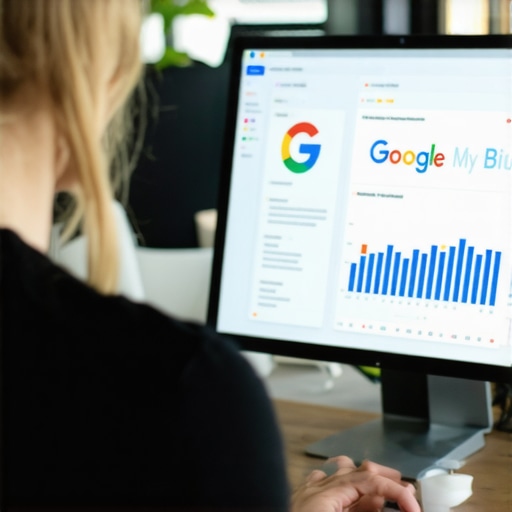 Many business owners assume that optimizing their Google My Business (GMB) profile is a one-time task, but in reality, local SEO requires continuous refinement. A prevalent myth is that building backlinks is the primary driver for map pack rankings; however, recent studies reveal that behavioral signals such as click-through rates and user engagement play an increasingly vital role in 2026. Relying solely on citation building or keyword stuffing can lead to penalties or stagnation, as Google’s algorithms now prioritize authenticity and user satisfaction. For instance, an overemphasis on quantity of reviews rather than quality can backfire, since Google seeks meaningful interactions over superficial metrics. Moreover, many professionals overlook the importance of hyper-local content and offline signals, which are crucial for establishing relevance in your neighborhood. Ignoring the nuances of user intent and actual engagement can cause your rankings to plateau, despite traditional optimization efforts. To truly excel, it’s essential to leverage advanced strategies like video verification, optimizing for user behaviors, and integrating offline activities that prompt digital interactions. Failing to adapt to the latest signals may leave your business invisible in the competitive local search landscape. For deeper insights on the sophisticated ranking factors that Google considers today, explore the guide on Google My Business optimization secrets. Remember, staying ahead means understanding what most people overlook or misunderstand about local SEO.” ,Maintaining your top rankings in the local Google 3 Pack requires more than initial optimization; it demands continuous effort and the right set of tools. Personally, I rely on advanced analytics platforms like BrightLocal and SEMrush’s Local SEO tools. BrightLocal is invaluable for tracking your local rankings across multiple locations, helping you identify fluctuations and opportunities quickly. I use SEMrush to monitor competitors’ local visibility, enabling me to adjust strategies proactively. Additionally, I highly recommend Google Data Studio for creating custom dashboards that visualize your engagement metrics over time, making it easier to interpret fluctuations and tweak your campaigns effectively. For executing practical updates, tools like Google My Business Manager facilitate batch management of posts, reviews, and profile updates, saving significant time and ensuring consistency. Keep your software up-to-date and regularly review your data—this habit prevents complacency and keeps your maps ranking in peak condition. Looking ahead, automation and AI-driven tools are beginning to take center stage, promising even more precise and real-time optimization capabilities. In the future, expect to see platforms incorporating AI to suggest optimized content or automatically adjust profiles based on ranking signals. To stay ahead, I recommend trying [this video verification hack](https://mappackseoexpert.com/5-video-verification-hacks-to-win-the-google-3-pack-2026); it’s helped me secure higher rankings efficiently. How do I maintain my Map Pack rankings over time? Regularly monitor your engagement metrics through tools like BrightLocal and adjust your strategies based on data insights. Consistent profile updates, engaging content, and responding to customer interactions signal activity to Google, which is crucial for long-term success. For comprehensive maintenance strategies and expert insights, explore our detailed guide on mastering the Google 3 Pack. Remember, a proactive approach with the right tools is essential to keep your business visible and thriving in local search results.
The Hardest Lesson I Learned About Google Maps Rankings
One of my biggest realizations was that building backlinks alone couldn’t guarantee a top spot anymore. Google increasingly values genuine user engagement signals—likes, clicks, and interactions—that reflect real customer interest. Understanding this shifted my entire approach from purely technical tweaks to fostering authentic local relationships and activities.
What Most Local SEO Experts Won’t Tell You About Map Pack Success
Many professionals focus heavily on citations and keyword stuffing, neglecting that user experience and behavioral signals now weigh more heavily. I learned that creating hyper-local content and encouraging real reviews and photos from customers make a tangible difference in rankings—it’s about building trust, not just algorithms.
My Go-To Tools for Long-Term Map Pack Domination
Tools like BrightLocal and SEMrush have been game-changers for me—they provide insights into ranking fluctuations and competitor strategies. Additionally, Google Data Studio helps visualize engagement data, enabling smarter decisions. Combining these tools ensures I stay proactive instead of reactive in maintaining top positions.
Keep Moving Forward: Your Journey Starts Today
Remember, mastering local SEO and Google Maps rankings isn’t a one-time effort. Stay curious, test new strategies, and keep engaging authentically with your community. If you’re ready to elevate your local presence, explore our comprehensive guide on mastering the Google 3 Pack. Your success in local search awaits—are you prepared to lead?